What an HOA actually is
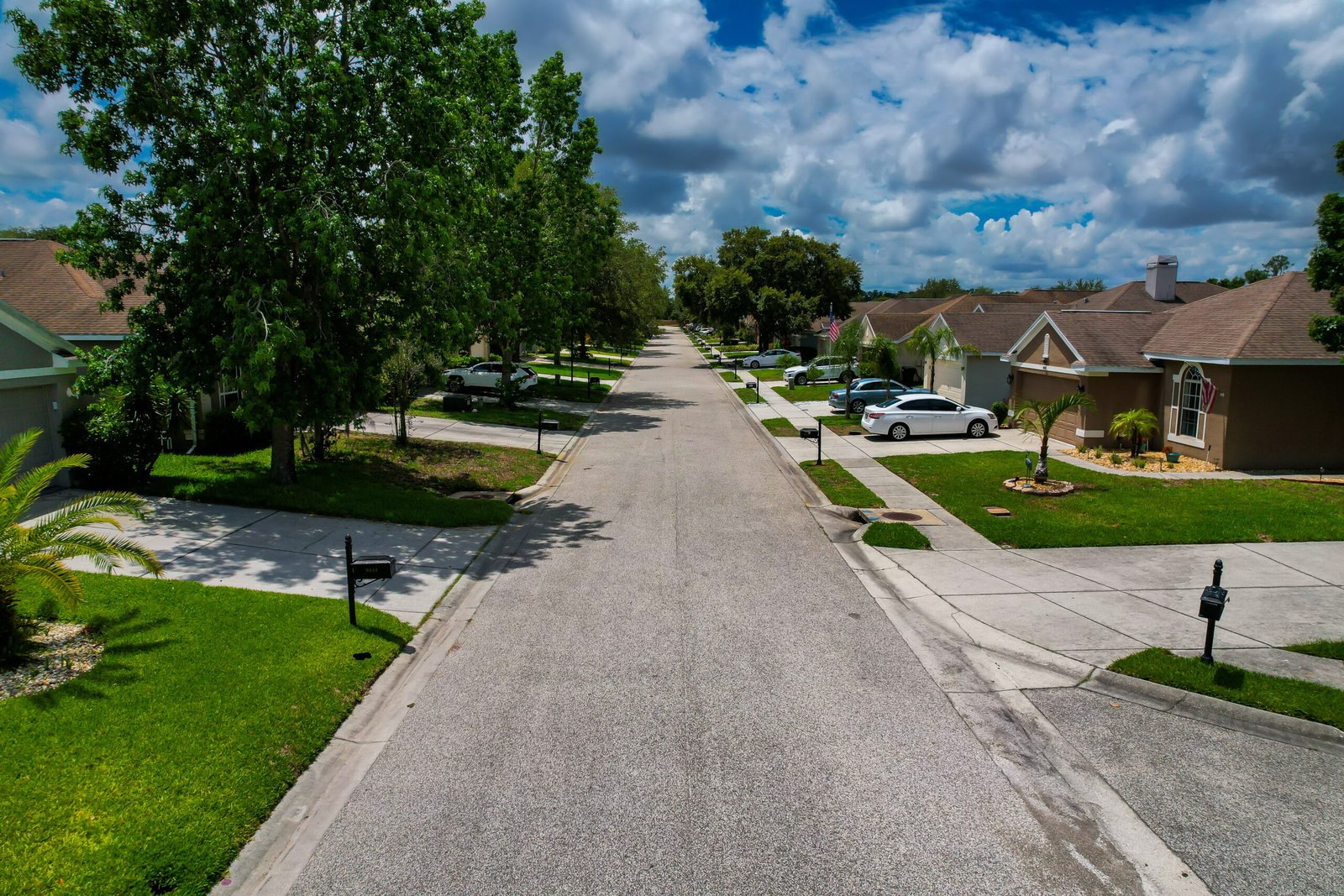
HOA fees fund everything a homeowners association does, and understanding them starts with knowing what an HOA actually is. A homeowners association is a governing body made up of residents in a planned community. The HOA sets and enforces rules, maintains shared spaces, and manages a budget funded by fees from homeowners. In Florida, HOAs are governed by Chapter 720 of the Florida Statutes, which gives them real authority but also requires transparency about finances, meeting minutes, and rule changes.
Florida has more HOA-governed communities than almost any other state. If you’re relocating here from somewhere without them, and you’re looking at active adult communities, newer subdivisions, or most anything built in the last 30 years, you’re likely buying into one. Understanding what it actually costs to own a home in Florida means including HOA fees in that number before you fall in love with a listing. And if you’re still weighing whether to rent first or buy when you arrive, HOA fees are part of that calculation too.
The benefits most people don’t think about
Here’s what gets overlooked constantly. A well-run HOA protects your investment and makes daily life easier in ways you feel every day.
The most obvious benefit is neighborhood consistency. Your neighbors cannot let the lawn go to seed for two months or leave a broken-down car parked in the driveway indefinitely. Curb standards are enforced. For people coming from neighborhoods where that wasn’t the case, this is not a minor thing. It affects property values, and it affects how the place actually feels to come home to.
Beyond appearances, a lot of Florida HOA communities bundle services you’re already paying for somewhere else. Communities across Wesley Chapel and Land O Lakes in Pasco County include cable and internet in the monthly fee. Others include lawn maintenance, trash pickup, pest control, or exterior upkeep. When you subtract those line items from your current bills, the net cost of the HOA often looks different than the headline number suggested.
Amenities are the other piece. A maintained community pool, fitness center, pickleball courts, walking trails, and a clubhouse cost real money to access privately. If you actually use them, that math tends to work out.
When HOA fees feel like a bad deal
Let me be direct about this part. Not every HOA delivers value, and some of them are genuinely hard to justify.
The toughest setup is when you’re paying a monthly fee and there is nothing attached to it beyond the right to live in the community. No amenities, no bundled services, no maintained common spaces worth mentioning. The HOA exists mainly to enforce deed restrictions, a management company handles the administration, and HOA fees arrive regardless. That setup is more common than people expect, particularly in newer subdivisions. If your HOA fees are $300 a month and the only visible return is that neighbors can’t paint their shutters the wrong color, that is going to feel like a raw deal, because it is one.
Special assessments are the other risk. These are one-time charges beyond the regular monthly fee, levied when a major repair or capital project comes up that the reserve fund can’t cover. A new clubhouse roof. A resurfaced pool deck. Repaved community roads. Before buying into any HOA community, request the reserve study and find out how well-funded the reserves are. A community with thin reserves is not a question of whether a special assessment is coming. It’s a question of when. HOA fees only cover part of what a community actually costs to maintain.
What to look for before you commit
In Florida, sellers are required to disclose HOA membership and provide governing documents when a home is under contract. Read them before the inspection period closes. Look specifically at what the HOA fees cover, what it doesn’t, how the reserves are funded, whether there are any pending assessments, and what the rules say about the things that matter to your daily life: pets, parking, rentals, exterior modifications.
A well-run HOA in a financially stable community is a real asset. I’ve seen communities where residents genuinely appreciate the structure, use the amenities, and watch their values hold up better than comparable homes without HOA oversight. I’ve seen the opposite too, and the difference almost always comes down to how the association manages its money.
A client I worked with in Pasco County had never lived in an HOA in 28 years in New Jersey. She was skeptical going in. After six months in her Florida community, the thing she mentioned most was that she could leave for three weeks and come back to a lawn that looked exactly the same as when she left. Her HOA covered lawn care, internet, and cable. She was paying less total than she had been with three separate vendors before she moved. That’s a well-run HOA doing what it’s supposed to do.
💬 Not sure what you’d actually be getting into with an HOA community here?
Text HOME to 727-496-8301, I’ll give you a straight read on what’s out there right now.
Frequently Asked Questions
Do I have to join an HOA if the neighborhood has one?
If the home is within an HOA-governed community, membership is mandatory. It’s a condition of ownership, not an opt-in. The monthly fee becomes part of your total ownership cost from day one, so it belongs in your budget before you start making offers.
Can an HOA increase fees without homeowner approval?
Under Florida law, HOAs must follow their governing documents and state statute when raising fees. Most associations can increase fees within a defined percentage without a full vote, but larger increases typically require homeowner approval. The governing documents spell out the specific limits. Reviewing them before you buy tells you what the ceiling looks like.
What is the difference between an HOA fee and a condo association fee?
HOA fees typically cover common area maintenance, amenities, and bundled services for a community of houses or villas. Condo association fees also cover shared building expenses, including the roof, exterior structure, and sometimes building utilities. Because of recent Florida legislation requiring buildings to fund structural reserves adequately, condo fees have increased significantly in many communities. Both are worth scrutinizing, but they cover different things.
Relocating to Florida and trying to make sense of it all?
Questions about HOAs come up in almost every conversation I have with people moving to this area. I relocated from the Northeast myself, and I remember exactly what it felt like to try to understand a system I hadn’t grown up in. I work with people relocating across Hillsborough County, Pinellas County, Pasco County, and Hernando County, and I’ll walk you through what an HOA actually means for the specific communities you’re looking at.
A Helpful Next Step
If you’re still figuring out which part of the Tampa Bay area actually fits your life and your budget, the Tampa Bay: Find Your Fit tool gives you a cleaner way to compare. Answer a few questions about your budget, lifestyle, and priorities, and it shows you how Pinellas, Pasco, Hillsborough, and Hernando actually stack up. No sales pitch, just a clearer picture before you start touring.
Also worth reading:
- What does it actually cost to own a home in Florida?
- Should you rent first or buy when you relocate here?
- Is Florida still worth it in 2026?

Norma Vargas | Broker Associate, eXp Realty | Top 1.5% in 2025
I specialize in homes that didn't sell the first time, relocation, and divorce sales across Pasco, Pinellas, Hillsborough, and Hernando counties.
Whether you're selling, relocating, or just weighing your options, I'll help you make sense of the next step.
Let's Talk →Find me also on: Zillow · Realtor.com · Homes.com