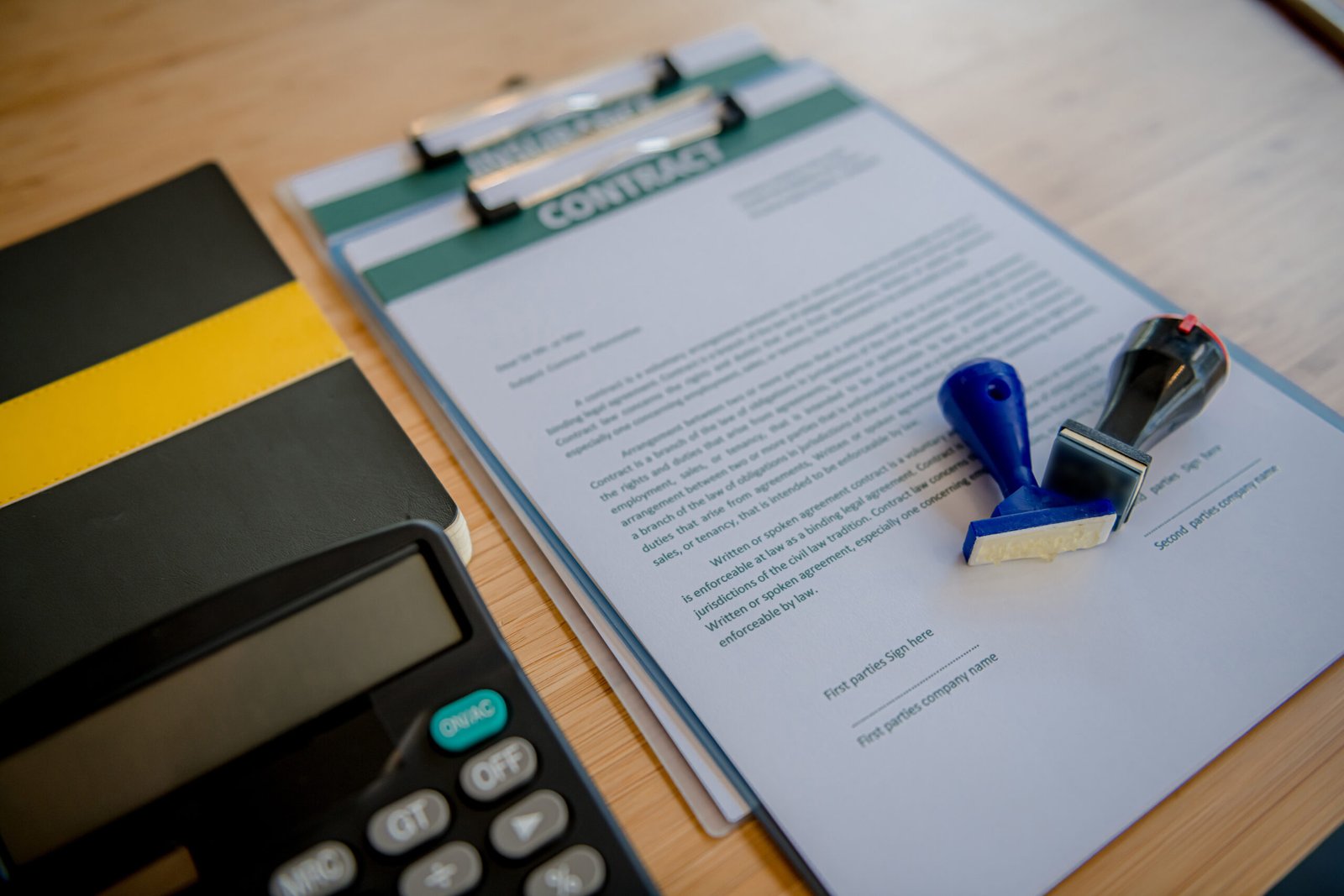
You listed your home. You got an offer. And somewhere in the middle of the paperwork, the buyer is asking you to pay their closing costs.
Maybe they want a credit toward their fees. Maybe they want you to buy down their interest rate for the first two years. Whatever it is, your first instinct might be to say no.
Here is the truth: sometimes that instinct is right. And sometimes agreeing to seller concessions Florida buyers are requesting is the smartest thing you can do to close the deal.
What a Seller Concession Actually Is
A seller concession is money you agree to contribute toward the buyer’s costs at closing. It comes out of your proceeds, but it shows up as a credit on the settlement statement rather than as a price reduction.
The most common versions right now in Florida: closing cost credits, rate buydowns where you pay a fee upfront to lower the buyer’s mortgage rate, and repair credits. In some cases a buyer will ask for all three. That does not mean you have to say yes to all three. Understanding how seller closing costs work as a whole, including what you are already paying at the table, is worth reviewing before you respond to any concession request.
Why Buyers Are Asking for Them More in 2026
Interest rates have stayed above 6% for a while now. That monthly payment hits differently than it did a few years ago, and seller concessions Florida buyers are asking for have become a routine part of the negotiation. and buyers who can qualify for a mortgage on paper sometimes need help getting the payment to a number that works for their actual life.
According to Florida REALTORS®, the share of Florida home sales involving seller concessions has climbed steadily since 2023. A buyer asking for help is not always a red flag. It is often a reflection of what the market looks like right now in Hillsborough County, Pasco County, and across the state.
When a Concession Makes Sense
You have a solid offer on the table at a price you are happy with, but the buyer needs $7,000 toward closing costs. If you say no and they walk, your next offer might be $10,000 lower and it might take four more weeks to get it.
That math is worth running. What does it cost you to say yes? What does it cost you to say no?
Concessions make the most sense when the offer price is strong, your buyer is financially qualified and not asking for anything else, the home has been on the market for more than two weeks, and a clean close is more valuable to you than holding out for every dollar.
If you have been sitting at 30 days with no movement, you are not in the same position as someone who listed three days ago. That context matters when you decide how to respond.
When a Concession Is the Wrong Move
If your home just hit the market and you already have two solid offers, you do not have to negotiate against yourself.
Concessions also get complicated when the number asked for is out of proportion with the offer. A buyer offering $15,000 below your asking price and also requesting $10,000 in concessions is a different situation from a full-price offer with a $6,000 credit request. Treat them differently.
There are also loan-type limits worth knowing: FHA loans cap seller concessions at 6% of the sale price. VA loans cap them at 4%. Conventional loans vary by the buyer’s down payment percentage. If a buyer asks for more than their loan type allows, the overage simply falls off the settlement and does not help anyone. Your agent, along with the buyer’s lender, should know these numbers before the conversation starts. For guidance specific to your situation, a licensed mortgage professional can walk you through what applies.
The Three-Part Reality Check
Price, condition, and how the home is marketed have to work together for a clean sale. Seller concessions Florida sellers offer are part of that equation. When a buyer asks for a concession, it is usually a signal that one of those three things feels off from their side of the table. Maybe the price feels slightly high for the condition. Maybe the payment feels heavy even though the price is fair.
A concession is sometimes the right tool to close that gap. But it is not a substitute for getting the fundamentals right before you list. If you are not sure what to expect once your home goes under contract, reviewing what happens after you accept an offer is a good place to ground yourself before the negotiation starts.
💬 Getting ready to list and want to know what today’s buyers in Florida are asking for?
Text HOME to 727-496-8301. Let’s talk through what to expect before you get to the negotiation.
FAQ
What is the difference between a seller concession and a price reduction?
A seller concession is a credit you contribute at closing, usually toward the buyer’s costs or a rate buydown. A price reduction lowers the sale price itself, which affects how the home appraises and what shows up in comparable sales. A concession keeps your sale price intact while addressing the buyer’s cash-flow concern. Which one works better depends on your specific situation and what the buyer actually needs.
How much can a seller concede in Florida?
Florida does not set a maximum by law, but the buyer’s loan type does. FHA caps seller concessions at 6% of the sale price. VA loans cap them at 4%. Conventional loans limit them to 2 to 9 percent depending on the buyer’s down payment. Concessions above those caps cannot be applied at closing, so agreeing to more than the cap does not help your buyer. A mortgage professional can confirm the specific limit that applies.
Will agreeing to a concession make my home sell faster?
Not automatically. A concession removes a specific obstacle for a specific buyer. If your home is priced right, is in good condition, and you have a willing buyer who needs help with closing costs, agreeing to a concession often closes the deal. If the bigger issue is price or condition, a concession does not fix that.
Thinking About Listing and Want to Know What Buyers Are Actually Asking for Right Now?
Concession requests are more common in 2026 than they were a few years ago, and the sellers who handle them best are the ones who know what to expect before they get to that conversation. I work with sellers across Pasco, Pinellas, Hillsborough, and Hernando Counties and can help you understand what the current market looks like before you list.
A Helpful Next Step
The Selling Roadmap walks you through the full process from prep to closing, including how to read an offer and what to do when a buyer asks for something you were not expecting. It is free and built specifically for Florida sellers.
Also worth reading:
- What happens when the buyer asks for repairs after the home inspection?
- What happens if your home doesn’t appraise?
- How much does it cost to close on a home sale in Florida?
Norma Vargas
REALTOR®, eXp Realty | Top 1.5% in 2025
I specialize in homes that didn't sell the first time, relocation, and divorce sales across Pasco, Pinellas, Hillsborough, and Hernando counties.
Find me also on: Zillow · Realtor.com · Homes.com