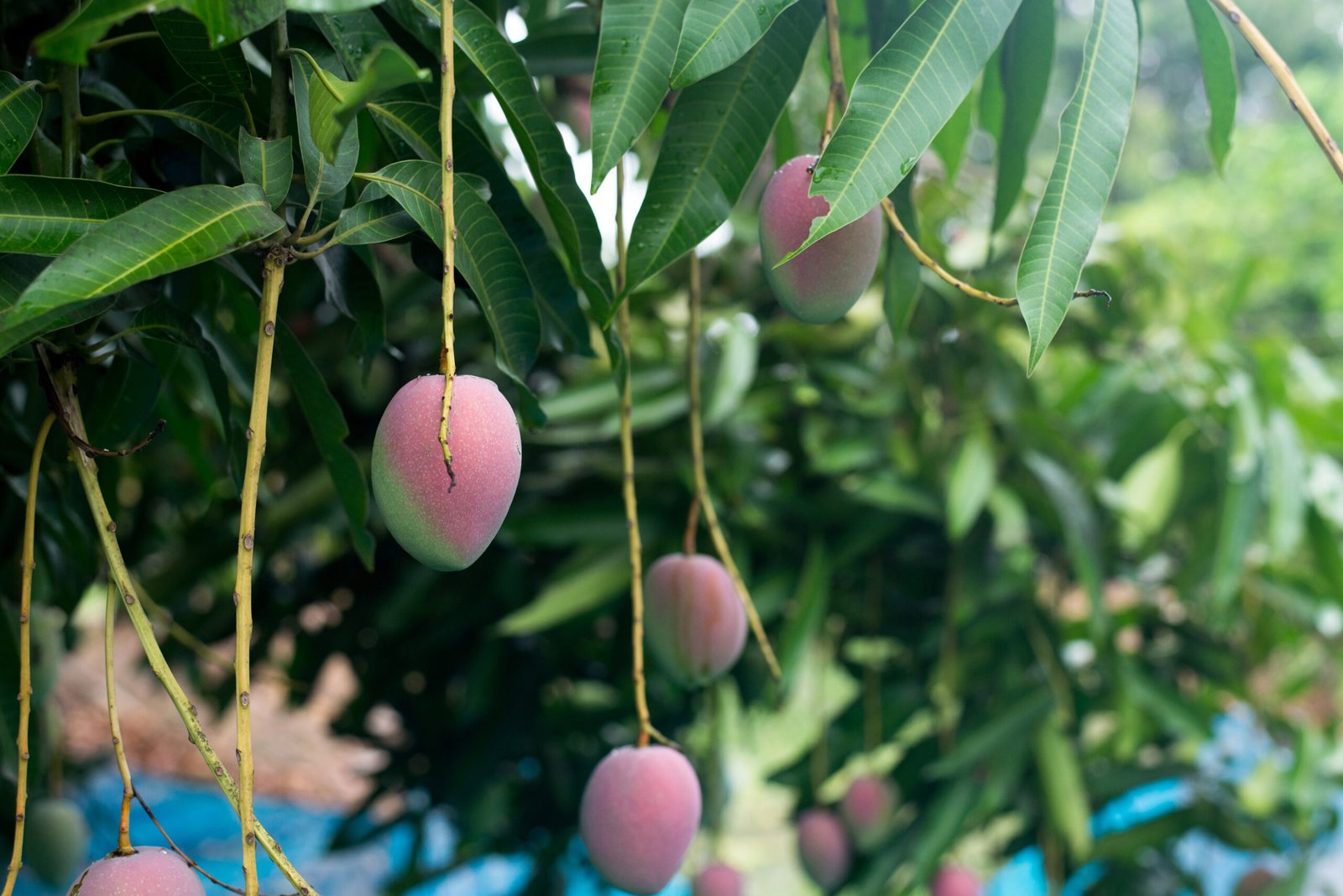
By the middle of summer, it happens in almost every Florida neighborhood. A bag of mangoes shows up on your porch. Then another. Your neighbor’s mango tree has gone into overdrive, there’s more fruit than one household could possibly eat, and suddenly it’s everyone’s problem, in the best possible way.
Mango season in Florida is one of those things nobody warns you about before you move here. It’s not a minor detail. It’s a genuine part of what backyard life looks like once you’ve been here a summer or two.
If you’re new to the area, or thinking about it, this is the kind of thing that tells you more about living here than any listing photo ever could.
Why Late Summer Turns Into Mango Season Overload
Mango trees in Florida do not do anything halfway. A single mature tree can produce hundreds of mangoes in one season, and according to University of Florida’s IFAS Extension, established trees thrive in the state’s warm, humid climate as long as they’re planted somewhere that doesn’t stay wet. That covers a lot of the older, established neighborhoods around Pinellas and Hillsborough Counties, where mature trees have had decades to settle in.
The fruit doesn’t ripen on a schedule that’s convenient for anyone. It comes in waves, all summer long, which is exactly why bags of mangoes start appearing on porches faster than anyone can eat them.
It’s Not Just Mangoes
Mangoes get the reputation, but they’re not the only ones. Avocado trees do the same thing later in the year, and lemon and key lime trees keep producing for months at a time. Anyone who’s lived here through a full summer has a story about more citrus or avocados than they knew what to do with. It’s part of what backyard life looks like in Florida, in a way that’s genuinely different from anywhere else most people have lived before.
Why I Love Listing a Home With Mature Fruit Trees
This is one of my favorite parts of the job. Walking a buyer through a yard with a mature mango tree, or a lemon tree loaded with fruit, or an avocado tree that’s been producing for twenty years, it’s not something you can put a price on the same way you price square footage, but it changes how a buyer feels about the home. A mango picked ripe off the tree in your own yard tastes like nothing you can buy in a store, and the same goes for a lemon or an avocado. Once buyers taste the difference, they get it.
I’ve watched it shift a buyer’s whole feeling about a house. A mature fruit tree tells them something about how long the home has been loved and cared for, and that’s worth more to a lot of people than a lot of the features on a spec sheet.
What To Do With All That Fruit
Most people figure out the system fast. Bags on porches, boxes at the end of the driveway with a “take some” sign, extra mangoes showing up at the office or a church potluck. It’s an unofficial economy that runs on more fruit than anyone actually needs, and it’s one of the small things that makes a neighborhood feel like a neighborhood instead of just a street full of houses.
If You’re Moving Here, This Is What You’re In For
If you’re relocating to the area, mango season is a good preview of what living here full time actually feels like. It’s not the beaches or the weather that end up mattering most day to day, it’s the small, unglamorous stuff, like knowing your neighbor’s tree is about to drop forty pounds of fruit on their lawn and being ready for it. The same goes for how locals handle the heat once summer really sets in. It’s a season you learn to work with, not around.
💬 A mature mango tree tells you something about a home that square footage never will.
Text HOME to 727-496-8301. Let’s talk about what you’re actually looking for in your next yard.
Frequently Asked Questions
Why do so many Florida homes have mango trees?
Florida’s warm, humid climate is ideal for mango trees, and a mature tree can keep producing fruit for decades with very little maintenance. Many homes in the area have trees that were planted years or even decades ago and are now fully established.
Do mature fruit trees add value to a Florida home?
They can, mostly in how a buyer feels about the property rather than a specific dollar amount. A mature mango, avocado, or citrus tree signals a yard that’s been cared for over time, and that kind of established landscaping is hard to recreate with new plantings.
What other fruit trees are common in Tampa Bay yards?
Along with mangoes, avocado, lemon, and key lime trees are common throughout the area. Many established neighborhoods have a mix of all four, especially in homes that have been owned by the same family for years.
Looking for a Home With Room to Grow Something Real?
If a mature yard with real fruit trees is part of what you’re picturing in your next home, I can help you find it. I work with buyers and sellers across Pasco, Pinellas, Hillsborough, and Hernando Counties who care about the little things that make a place feel established, not just move-in ready. Let’s talk about what you’re picturing →
A Helpful Next Step
Not sure which part of the area actually fits what you’re picturing, mature trees, a real yard, a specific kind of neighborhood feel? Tampa Bay: Find Your Fit walks you through what to look for county by county, so you’re not guessing.
Also worth reading:
- Living in Tampa Bay: what surprises people after the move
- How do locals beat the heat and actually enjoy a Florida summer?
- Where do locals go to the beach when summer hits?

Norma Vargas | Broker Associate, eXp Realty | Top 1.5% in 2025
I specialize in homes that didn't sell the first time, relocation, and divorce sales across Pasco, Pinellas, Hillsborough, and Hernando counties.
Whether you're selling, relocating, or just weighing your options, I'll help you make sense of the next step.
Let's Talk →Find me also on: Zillow · Realtor.com · Homes.com