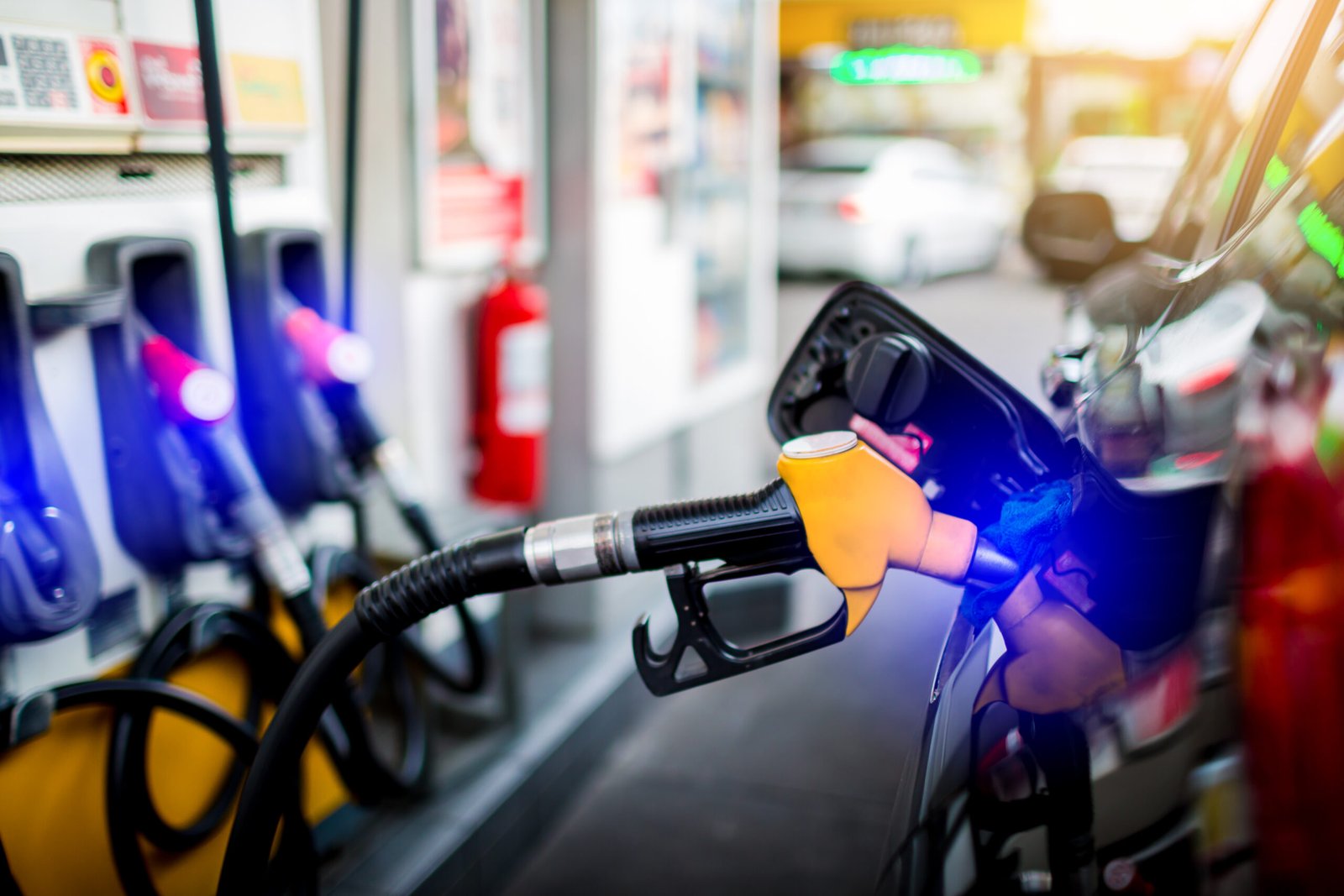
A couple Octobers ago, Hurricane Milton pushed into the Gulf and every local news station dropped everything else to cover it. Time flies. Here’s the part I actually remember: not the wind, not the rain, but eight hours parked at a gas station. The pumps had fuel. Something in the system kept messing up. I had no idea if I should wait it out or drive off and hope the next station had gas. It was scary, honestly, in a way that’s hard to explain unless you’ve sat in that line yourself, watching the tank gauge and wondering what happens next.
That’s the real answer to what happens when a hurricane threat shows up here. Forget the dramatic footage on the news for a second. It’s the local port shutting down. It’s gas lines that stretch for blocks. It’s a whole region quietly rearranging its week around a storm that might not even come close.
What actually happens around here when a storm enters the Gulf
Once a storm has any real shot at hitting the west coast of Florida, you can set your watch to what happens next. The port closes to ships coming in and out, and that hits fuel deliveries days before anyone even feels wind. Grocery stores get picked clean of water and shelf-stable food. Gas stations get long lines, and some run dry faster than trucks can refill them. None of that requires a direct hit. It just takes enough uncertainty for people to decide it’s smarter to get ready than to wait and see.
The night I sat at a gas station for eight hours
I was parked at that gas station for eight hours during Milton because the pumps had fuel but something kept stalling the line. Do I stay and wait it out, or leave and take my chances somewhere else that might already be dry? That’s the part that’s hard to describe until you’ve lived through it: it’s not one big scary moment. It’s hours of small, uncertain decisions while the storm track keeps shifting on the news.
What a hurricane threat means for your insurance
Here’s something that catches a lot of newcomers off guard, so let’s just say it plainly: once a storm gets a name and starts tracking toward Florida, insurance companies usually stop writing new policies or making changes to existing ones until it passes. That means the worst time to shop for coverage is exactly when you’re the most worried about needing it. It’s also worth knowing ahead of time whether your policy treats wind and flood as two separate deductibles, because they work very differently than a normal homeowner’s claim.
I’ll say this clearly: I’m not an insurance agent, and nothing here replaces advice from a licensed one. Every policy, every flood zone, and every situation is different. If you want to talk through your own coverage before hurricane season catches you off guard, reach out to me directly and I can point you toward the right conversation.
How locals actually track a storm instead of panicking
People who’ve been here a while stop reacting to every early forecast track that pops up online. Those early maps are wide and shaky days out, and a storm can shift hundreds of miles from where the first map showed it. What locals actually watch is the National Hurricane Center’s official forecast cone as it tightens closer to landfall, plus their own county’s evacuation zone, which you want to know before a storm is anywhere near the Gulf, not the night before.
The households that handle a hurricane threat calmly are usually the ones who already know their zone, already keep a few days of supplies on hand year round, and already have a plan for pets, medication, and important documents. None of that takes panic. It just takes doing it in June instead of the night before landfall.
What newcomers get wrong about hurricane season
The biggest misread I see from people who just moved here from out of state is treating every named storm like it’s an emergency, the same way the news treats it. Truth is, most storms that get days of coverage never make a direct hit on this exact stretch of coast. But the ones that do can change fast, so the answer isn’t to tune it all out either. It’s learning the difference between “worth watching” and “worth acting on,” and that mostly comes from living through a season or two.
Insurance costs and storm prep are both part of the real cost of owning a home here, and they’re worth understanding before you’re in the middle of a season, not during one.
💬 Not sure what to actually do when a storm enters the Gulf?
Text HOME to 727-496-8301. I’ll walk you through what matters and what’s just noise.
Frequently Asked Questions
What actually happens locally when a hurricane threatens the Gulf Coast?
The local port often closes to shipping days before landfall, which slows fuel deliveries and can create gas station lines even if the storm never makes a direct hit. Grocery stores see runs on water and supplies, and a lot of residents finalize their plans based on their evacuation zone.
Do I need special insurance for hurricanes in Florida?
Most homeowner policies don’t automatically include flood coverage, and wind damage often falls under its own separate deductible. Insurance companies typically stop writing new policies once a storm is officially tracking toward the state, so coverage needs to be in place well before hurricane season starts. Talk to a licensed insurance professional about your specific policy.
How do you know if a hurricane threat is serious or just news noise?
Watch how the official forecast cone tightens as a storm gets closer, instead of trusting the early, wide forecast tracks. Knowing your evacuation zone ahead of time, and checking updates from the National Hurricane Center, tells you a lot more than the tone of the news coverage does.
Thinking Through Insurance or Storm Prep Before You’re In the Middle of It?
I talk with a lot of people, longtime residents and new arrivals alike, who want a clearer picture of what hurricane season actually requires here, from coverage questions to what to keep on hand. If that’s where you are, reach out and let’s talk it through.
A Helpful Next Step
If you’re still getting oriented to what living here full time actually involves, storm season included, Tampa Bay: Find Your Fit is a good place to start.
Also worth reading:
- What is hurricane season really like when you own a home here?
- What does it actually cost to own a home here?
- Living in Tampa Bay: what surprises people after the move
Norma Vargas | Broker Associate, eXp Realty | Top 1.5% in 2025
I specialize in homes that didn't sell the first time, relocation, and divorce sales across Pasco, Pinellas, Hillsborough, and Hernando counties.
Whether you're selling, relocating, or just weighing your options, I'll help you make sense of the next step.
Let's Talk →Find me also on: Zillow · Realtor.com · Homes.com