During hurricane season, before most people sign a contract to buy here, they ask about hurricanes. It’s usually right after property taxes and homeowners insurance, and those three topics are more connected than most people realize.
Hurricane season in Tampa Bay runs June 1 through November 30. Six months of the year, you track tropical weather the way people up north track snowstorms. It just becomes part of how you think from June through Thanksgiving.
I moved here from New Jersey. When a storm was coming up north, everyone ran to the store for bread, milk, and eggs. Here in Florida, when a system starts organizing in the Gulf, I make sure I have water and canned goods. It’s the same instinct, just a different storm. Better to be prepared and not need it than to be caught off guard.
What hurricane season actually looks like day to day
Most days during hurricane season look exactly like every other day in Florida: sunny, hot, and completely unremarkable. The majority of named storms never make landfall anywhere near the Gulf Coast. Some seasons are quiet. Some aren’t. What you’re managing is uncertainty, not constant crisis.
The shift happens when a storm starts tracking toward the Gulf. At that point, you pay attention. You check the National Hurricane Center, look at your flood zone, and confirm your evacuation zone. Then you either execute the plan or you watch the storm track somewhere else. Most of the time, it goes somewhere else, but you stay ready either way.
What preparing actually means
Preparedness here isn’t dramatic. It looks like a stocked pantry, several days of water, a battery-powered radio, and a clear plan. If your home has storm shutters or impact windows, you know how to use them before June 1. FEMA and Florida Realtors both recommend keeping at least 72 hours of supplies on hand: water, food, medications, cash, and backup chargers. Most experienced homeowners in Florida keep more than that, not because every storm becomes an emergency, but because it’s simple to do and then you stop thinking about it.
The real preparation happens before you move in. Understanding your flood zone, your evacuation zone, and exactly what your homeowners and flood insurance covers are the conversations that protect you. As I’ve written about in what it actually costs to own a home here, flood insurance is a separate policy and the cost depends heavily on your zone designation. Knowing that before you buy is what makes the difference.
Why flood insurance surprises people
Homeowners insurance in Florida factors in wind risk. What a lot of newcomers don’t expect is that flood insurance is separate, and it’s not automatically included even if your home is near water. FEMA flood maps determine your risk level, and your zone affects both whether you’re required to carry coverage and what you’ll pay for it.
If your home isn’t in a high-risk flood zone, flood insurance is often far more affordable than people assume. Newer construction across Hillsborough, Pinellas, and Pasco counties is built to stronger standards than most of the country, and those homes have a real track record through significant storms. Doing this homework before you buy is what matters. Your REALTOR® should be walking you through flood zone data as part of the search, not as an afterthought.
💬 Buying in Florida and want the real picture before you make an offer?
Text HOME to 727-496-8301. I’ll give you a straight answer on what to look for.
How experienced Florida homeowners think about it
People who have lived here 10 or 20 years tend to have a simple approach: prepare before the season, pay attention when something develops, and don’t let it run the other six months of your life. The anxiety usually belongs to people who are new to it, and that perspective shift happens after a season or two.
You realize most storms don’t materialize the way early models suggest. You learn how quickly conditions can change in either direction. Over time, you develop a calm readiness, not recklessness, just proportion, and the six months of hurricane season stop feeling like something to survive and start feeling like something to manage.
If you’re coming from the Northeast, think of it this way: a blizzard threat didn’t stop you from living in Connecticut. You owned a snow shovel, knew how to drive in it, and got on with your life. Florida works the same way. You swap the shovel for a case of water and a plan.
If you’re exploring neighborhoods in Pinellas County, flood zone and elevation data varies more than people expect even within a few miles. Clearwater, Dunedin, and Tarpon Springs each have different profiles. Explore Pinellas County here to understand the area before you narrow things down.
Frequently asked questions about hurricane season in Florida
Is the Gulf Coast high-risk for hurricanes?
The area sits on the Gulf Coast, so hurricane risk is real and worth understanding before you buy. The region’s geography has historically caused many storms to shift or weaken before reaching the coast, but that’s not a reason to skip the homework. The more useful question is: what flood zone is this specific home in, and what does the insurance actually cover? Those details matter far more than broad regional risk ratings.
Do I need flood insurance if I buy in Florida?
Not every home requires it, but many do, particularly those in designated high-risk flood zones where it’s typically required with a federally backed mortgage. Even if your home isn’t in a required zone, flood coverage is worth carrying. Significant rainfall events happen outside of named storms, and premiums for lower-risk zones are often much lower than people expect. Check FEMA’s flood map service to look up any address before you make an offer.
What should I do to prepare for hurricane season as a new Florida homeowner?
Start before June 1: know your flood zone, know your evacuation zone, and review your insurance policies before the season opens. Then build your supplies, three to seven days of water, non-perishable food, medications, and essentials. Know how to use your storm shutters or impact windows if your home has them. Most experienced homeowners treat this like seasonal maintenance. It becomes a task on the calendar, not a source of dread.
Relocating to Florida from out of state?
I made that move from the Northeast, and the hurricane question was on my list too. I work with people moving to Hillsborough, Pinellas, Pasco, and Hernando Counties, and part of what I do is walk you through the real picture on weather, flood zones, and insurance before you’re too far into a decision to course-correct.
A Helpful Next Step
If you’ve been trying to figure out which part of Florida actually fits your life, the Tampa Bay: Find Your Fit tool asks a few questions about budget, lifestyle, and priorities, then shows you how all four counties compare. It’s the clearest way to stop guessing and start narrowing it down.
Also worth reading:
Is Florida Still Worth It in 2026?
What does it actually cost to own a home here?
Should You Rent First or Buy When You Relocate?
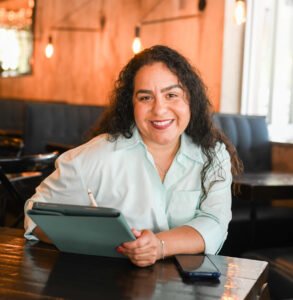
Norma Vargas | Broker Associate, eXp Realty | Top 1.5% in 2025
I specialize in homes that didn't sell the first time, relocation, and divorce sales across Pasco, Pinellas, Hillsborough, and Hernando counties.
Whether you're selling, relocating, or just weighing your options, I'll help you make sense of the next step.
Let's Talk →Find me also on: Zillow · Realtor.com · Homes.com