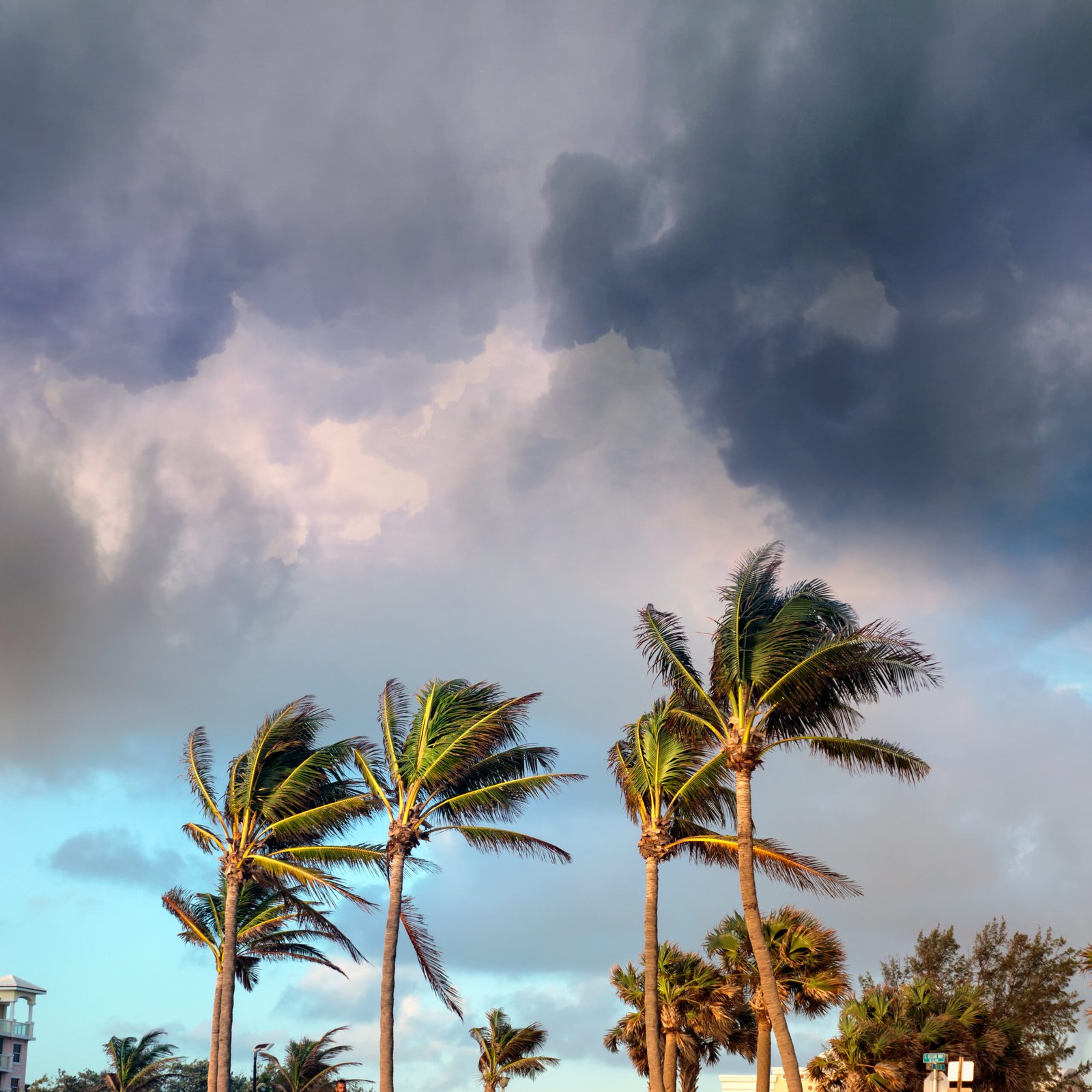
Nobody mentions the afternoon rain when they’re telling you about moving to Florida. They mention the beaches, the sunshine, the winters without snow. They don’t mention that for about five months of the year, a storm rolls in most afternoons with enough force to make you pull over and wait.
That’s a Florida afternoon thunderstorm. Once you’ve been here a full summer, you stop being surprised by it. You plan for it.
What a Florida afternoon thunderstorm actually looks like
I call it a torrential downpour. You’re driving somewhere around 2:30 or 3 in the afternoon, the sky goes dark fast, and then the rain hits so hard you can’t see the car in front of you. My rule is simple: pull over and wait it out. Most locals do the same thing.
Here’s what surprises people who just moved here: it usually lasts about 20 minutes. The sky clears, the road steams in the heat, and life picks up right where it left off. The storm isn’t the problem. Not knowing what to expect is the actual issue.
According to the National Oceanic and Atmospheric Administration (NOAA), the Tampa Bay area and central Florida are among the most lightning-prone regions in the entire country. That’s why locals take the warning signs seriously, and why you’ll learn to read the sky here in a way you probably never had to before.
Why the timing is so predictable
Heat builds through the morning as the sun warms the land. By early afternoon, warm air rises and pulls moisture off the Gulf and the Atlantic. A storm forms. The peak window is usually somewhere between noon and 5 PM, with 3 PM being the most consistent bull’s-eye.
It doesn’t hit every single day, and it doesn’t always land in your exact neighborhood. Some afternoons you’ll see it raining hard two blocks away while your street stays dry. But the probability is consistent enough that locals don’t leave outdoor plans to chance after noon.
How locals structure the day around it
Once you’ve been here through a summer, the schedule adjusts naturally. Yard work, walks, outdoor errands, coffee on the lanai — all of that happens early. By 10:30 AM, you’ve already used your best outdoor window.
I schedule showings in the morning for this exact reason. A 3 PM showing can turn into a ten-minute wait in the car before you can even get to the front door, or a sprint across a wet backyard to check the drainage situation. Morning appointments eliminate that entirely.
By 5:30 or 6 PM, the Florida afternoon thunderstorm has usually passed and the evening opens back up. That’s when you’ll see people back outside in places like Dunedin, walking the waterfront, heading to dinner, doing evening runs. The reality of living here full time is that there’s a daily rhythm, and it’s manageable once you understand it.
What this means if you’re thinking about moving here
Nobody moves to Florida expecting to spend every afternoon indoors. You don’t. You shift when you go outside. The morning window in summer is genuinely good: cooler than midday, lower humidity, less crowded. People who’ve been here for years will tell you they prefer mornings regardless of the season.
Afternoons still work for indoor things: grocery runs, restaurants, museums, errands in air conditioning. And freshwater springs like Weeki Wachee and Homosassa are shaded, 72 degrees year-round, and largely unaffected by what’s happening in the sky above them. Floridians don’t stop in summer. They just learn where to be and when.
If you’re visiting in July or August to scout neighborhoods, plan your outdoor time for the morning. You’ll see everything at its best, and you won’t be working around a storm that was going to arrive at 3 PM no matter what.
How long the rainy season actually runs
Florida’s rainy season runs roughly from June through September, sometimes into October. During that stretch, Florida averages more total rainfall per year than Seattle, though it falls differently. In Seattle, it drizzles for days. Here, it comes in hard and fast and stops. Most people find the latter easier to live with once they understand the pattern.
Outside that window, October through May is Florida’s dry season. That’s the stretch people picture when they imagine living here: lower humidity, clear afternoons, outdoor life from morning to evening without adjusting for anything. The summer rhythm is the adjustment period. It’s real, but it’s not as hard as it sounds from the outside.
💬 Trying to get a realistic picture of what Florida summers actually look like before you make any decisions? Text HOME to 727-496-8301. I moved here from the Northeast and can tell you what nobody told me.
How long do Florida afternoon thunderstorms usually last?
Most last 15 to 30 minutes. They come in fast, they’re intense while they’re happening, and they move through quickly. The road dries fast in the heat. The issue isn’t duration — it’s the intensity while it’s actively happening. If you’re driving and visibility drops significantly, pulling over safely is the right call.
Are Florida afternoon thunderstorms dangerous?
They can be, especially because of lightning. Florida consistently ranks among the top states for lightning strikes, and this part of the state has an elevated exposure. The general rule locals follow: if you can hear it, you can be hit by it. Get inside and wait the 20 minutes. It’s not worth pushing through.
Does the afternoon storm happen in every part of Florida?
The pattern is statewide but most consistent and intense in central Florida and the Gulf Coast corridor. Coastal areas sometimes see storms roll offshore before they reach land. Inland areas often get the full impact. It varies by day and wind pattern, but anywhere in this region, the afternoon window is something you plan around.
Thinking about making a move to Florida?
I relocated here from the Northeast, so I know what the real questions are, including the ones nobody thinks to ask until they’ve been through their first summer. If you’re researching whether this area is the right fit for your life, I work with relocating buyers across Pinellas County, Pasco County, Hillsborough County, and Hernando County and I’m happy to give you the honest version.
Reach out directly →A Helpful Next Step
If you’ve been trying to figure out which county actually fits your life, the Tampa Bay: Find Your Fit tool was built for exactly this. Answer a few questions about your budget, lifestyle, and priorities, and it shows you how all four counties actually compare. No sales pitch. Just a clearer picture.
Try Tampa Bay: Find Your Fit →Also worth reading: – What is Florida summer really like when you live here full time? – How locals use freshwater springs to get through the summer – Where do locals go to the beach when summer hits?

Norma Vargas | Broker Associate, eXp Realty | Top 1.5% in 2025
I specialize in homes that didn't sell the first time, relocation, and divorce sales across Pasco, Pinellas, Hillsborough, and Hernando counties.
Whether you're selling, relocating, or just weighing your options, I'll help you make sense of the next step.
Let's Talk →Find me also on: Zillow · Realtor.com · Homes.com