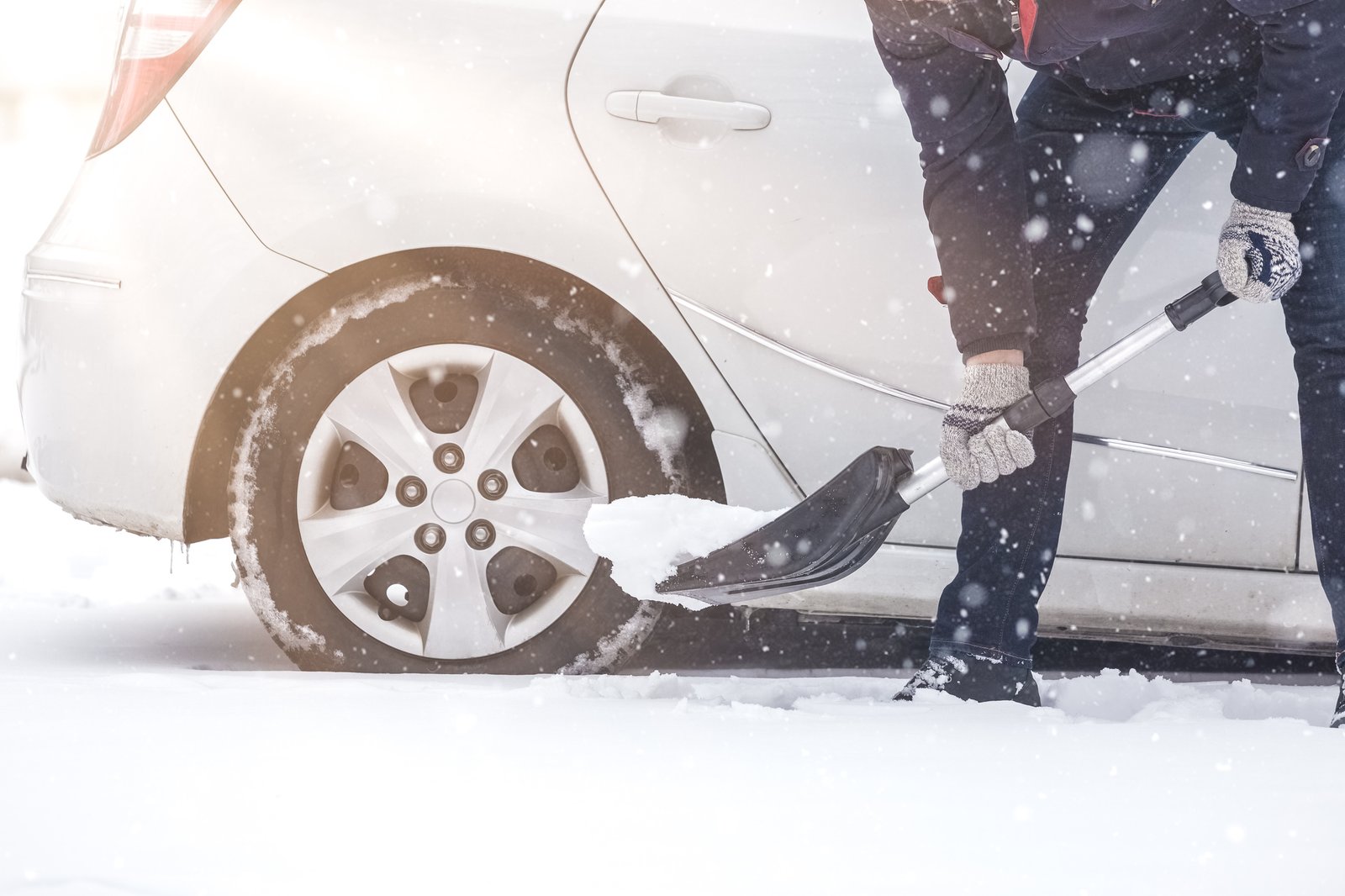
If you’re sitting in New York, New Jersey, or Ohio watching the first real cold snap roll in, a Florida winter move probably sounds a little better every morning you scrape the windshield. The question is whether winter is actually a smart time to do it, or whether you’re just reacting to the weather.
Yes, winter is a good time to make the move, with two catches. Rentals get tighter because snowbird season is in full swing, and winter shows you Florida at its easiest, not its hardest. If you plan around those two things, a Florida winter move can go a lot smoother than one squeezed into the middle of summer.
I came down from New Jersey and Connecticut myself, so I’m not guessing about the contrast. Let’s walk through what changes, what doesn’t, and what to check before you commit.
Why does a Florida winter move make sense for people leaving the Northeast and Midwest?
The biggest reason is the one you already feel: the difference in daily life. In New York, New Jersey, Pennsylvania, and Ohio, January highs usually sit in the 30s. According to the National Weather Service, Tampa’s normal December high is about 74 degrees with a low near 56, and the November average high is about 79. You can read the numbers yourself in the NWS climate normals for Tampa.
There are practical reasons too. Moving companies are generally less booked in winter than in summer, which can give you more room to choose a date. Highway conditions on the drive south can still be rough in a Northeast or Midwest snowstorm, so build in a few extra days on your end instead of locking a tight pickup window.
It also helps that the middle of winter is a good time to look around. You can tour homes in Pasco, Pinellas, Hillsborough, and Hernando counties without sweating through your shirt, and you can see neighborhoods the way people actually use them in the best part of the year.
What does a Florida winter move feel like once you arrive?
Mostly good. Mornings can be cool, especially after a cold front, and some nights drop into the 40s. But the afternoons are mild, the humidity is low, and the outdoor season is wide open. That’s the part everyone moving south from the cold is picturing.
A town like Dunedin, on the Gulf side of Pinellas County, shows what winter looks like at its best. You can walk the Pinellas Trail, eat outside, and run errands without checking the radar first. Hardly anyone in Land O Lakes owns a snow shovel, and nobody misses it.
Just keep in mind that what you see in January is not what the other half of the year feels like. More on that in a minute.
What gets harder about a winter move because of snowbird season?
The hardest part is finding a rental. Seasonal residents typically arrive between late fall and spring, and they compete for short-term and furnished places in the same communities you may be looking at. If you’re planning to rent first while you figure out where to settle, expect fewer options and higher prices than you’d see in summer.
That’s why it helps to decide early how you want to handle housing. Our post on renting first or making a purchase when you relocate goes through the tradeoffs. If you’re leaning toward making a purchase, winter can work well because you’re not fighting weather during showings, though you should still plan for traffic as the seasonal crowd shows up.
Insurance is another piece worth checking early. Hurricane season ends November 30, and carriers can pause new policies when a storm is approaching, which isn’t a concern in January. Getting quotes lined up before an offer is a smart habit any time of year.
What should you do about the house you’re leaving behind?
This is the part that decides your timeline. If you own in New York, New Jersey, Ohio, or anywhere else in the cold, you have to decide whether to list it before you leave, after you leave, or on a schedule that overlaps with your move.
Winter in a cold market can be slow, and showings are harder when the driveway is iced over. On the Florida end, the reverse is true. Buyers and sellers are active, and you’re not competing with the summer slowdown. If your Northern house is going to take a while, a short-term rental here can buy you time to learn the area before you commit.
Whichever order you choose, line up your numbers first. The cost of living in Florida looks different from what most people expect, especially insurance, property taxes, and association fees, so build a monthly budget before you pick a price range.
What should you check before you commit to Florida for good?
Come back in August. I mean that. Winter makes Florida look like a postcard, and summer is a different animal with real heat, afternoon thunderstorms, and higher electric bills. Our post on what Florida summer is really like when you live here full time is the honest version.
Then handle the paperwork side. Once you’ve moved, there are steps to becoming a Florida resident, from your driver’s license to your homestead filing, and you can see the order in our post on how to become a Florida resident. Tax questions are worth a conversation with a CPA, since I’m a REALTOR® and not a tax professional.
Finally, use the Explore Tampa Bay hub to compare counties by things you can measure, like commute, price point, insurance, HOA presence, and distance to the water. Choosing where to land matters more than choosing when to arrive.
💬 Thinking about leaving the cold for good this winter? Text HOME to 727-496-8301. We’ll talk through timing, housing, and where to start.
Frequently Asked Questions
Is it a good idea to move to Florida from New York or New Jersey in the winter?
Yes, as long as you plan for the rental squeeze from snowbird season and the fact that winter is Florida’s easiest stretch. Plan a return visit in summer so you know what the hottest months feel like before you commit.
When is the cheapest time to move from Ohio to Florida?
Moving companies are generally less busy in winter than in summer, so you may find better availability then. Prices vary by company and distance, so get several quotes and be flexible on your pickup date.
How cold does it get in Tampa in January?
According to the National Weather Service, Tampa’s normal December high is about 74 degrees with a low near 56. Cold fronts can bring nights in the 40s, but daytime highs are usually comfortable.
Are you ready to make the move south from the cold?
I work with people relocating from New York, New Jersey, Connecticut, Pennsylvania, Ohio, Michigan, and Illinois, and the questions are always some version of when, where, and how. We can map out a timeline that fits your house, your budget, and the season you’re moving into.
A Helpful Next Step
If you’re not sure which part of the area fits you, start with Tampa Bay: Find Your Fit. You answer a few questions about how you live and what matters to you, and it points you toward the parts of the area worth visiting first. It saves you months of scrolling listings in the dark.
Take the Find Your Fit guide →
Also worth reading: – The real monthly cost of living in Florida – Should you rent first or make a purchase when you relocate? – What is Florida summer really like when you live here full time?

Norma Vargas
REALTOR®, eXp Realty | Top 1.5% in 2025
I specialize in homes that didn't sell the first time, relocation, and divorce sales across Pasco, Pinellas, Hillsborough, and Hernando counties.
Find me also on: Zillow · Realtor.com · Homes.com