Most people moving to Florida think about the house search, the closing, and the move itself, and the homestead exemption is at the top of the list. The paperwork that comes after tends to get treated like an afterthought, and that’s where problems start.
Becoming an official Florida resident isn’t just changing your address. It’s a checklist, and if you miss a deadline or skip a step, it can cost you real money. The biggest example is the homestead exemption, which can reduce your property tax bill by a meaningful amount every single year you own your home.
A couple I worked with recently had relocated from the Northeast to Pasco County. They’d moved in December and assumed everything updated automatically. They almost missed the January 1 assessment date for the homestead exemption. We caught it in time, but just barely. Here’s the full picture so you’re not relying on luck.
Your Florida driver’s license comes first, and there’s a deadline
Florida law gives new residents 30 days to obtain a Florida driver’s license or state ID after establishing residency. Most people wait longer than that. The Florida Department of Highway Safety and Motor Vehicles outlines what you’ll need: your Social Security card, two proofs of your Florida residential address such as a utility bill, bank statement, lease, or deed, and your current out-of-state license.
While you’re there, handle your vehicle registration. Florida requires you to register within 10 days of becoming a resident. Bring your current title, proof of Florida insurance, and your current registration. If you’re still making payments, your lender holds the title and you’ll need your loan documents.
The homestead exemption deadline is the one you cannot miss
If you purchase a home in Florida as your primary residence, you’re entitled to a homestead exemption that reduces your assessed property value by up to $50,000. On top of that, Florida’s Save Our Homes cap limits how much your assessed value can increase year over year, which is a real financial benefit as property values rise.
Here is the deadline you cannot ignore: you must own and occupy the home as your primary residence on January 1 of the tax year, and you must file your application with your county property appraiser by March 1. Miss that March 1 date and you lose the exemption for the entire year. You wait until next January 1, then file again by the following March 1. One missed deadline can cost you hundreds of dollars in taxes for that year alone.
This is one reason timing your closing matters. Moving in before January 1, even by a few days, makes you eligible for that tax year. Moving in on January 2 means waiting until the following year.
You can find your county’s property appraiser and file online through the Florida Department of Revenue’s exemptions page.
I’m a REALTOR®, not a CPA or tax attorney. For anything involving your specific tax situation, consult a qualified professional before making decisions. The deadlines above are accurate as of this writing, but rules can change, verify with your county property appraiser directly.
Proving you actually left your old state
This is the part that catches people off guard. If you were a resident of a state with an income tax, states like New Jersey, New York, or Connecticut can challenge whether you actually left. Some states audit residency claims for up to three years.
What protects you is establishing your Florida domicile clearly and completely. Change your bank accounts. Update your will and estate documents. Register to vote in Florida through the Florida Division of Elections. Switch your doctors and medical records. Update your car insurance to a Florida policy. Make sure your mail and financial accounts all reflect your Florida address. According to the IRS and most state revenue departments, the question isn’t just where you sleep. It’s where your life is centered. The more footprint you have in Florida and the less you maintain in your old state, the cleaner the break.
If you maintain a home in both states and split your time, document your days carefully. This is a conversation worth having with a tax attorney before you move, not after.
💬 Moving to Pasco or Pinellas County and not sure what to tackle first after closing?
Text HOME to 727-496-8301. I’ll point you in the right direction.
Voter registration, estate documents, and everything else
Florida voter registration is straightforward: register online at registertovoteflorida.gov, or update your registration when you get your driver’s license. You have 29 days before an election to be registered to vote in it.
Your will, trust, and estate documents are worth revisiting too. Florida has no state income tax and no estate tax, so what made sense under your old state’s laws may not be the right structure here. That’s a conversation for an attorney. Also update your health insurance, find a Florida primary care doctor, and transfer your medical records. These tasks feel small, but letting them sit creates gaps that become problems later.
The homestead exemption savings add up fast. Across Pasco County, Pinellas County, Hillsborough County, and Hernando County, the combined effect of the exemption and the Save Our Homes cap can represent thousands of dollars over the years you own your home. It’s one of the real financial benefits of making Florida your legal home, but only if you file by March 1.
If you’re still deciding where to land, explore Pasco County here. A lot of Northeast transplants are choosing Pasco right now, and the property tax picture there tends to be favorable.
Frequently asked questions about becoming a Florida resident
How long do I have to get a Florida driver’s license after I move?
Florida gives new residents 30 days after establishing residency to obtain a Florida driver’s license or state ID. You’ll need your Social Security card, two documents showing your Florida residential address, and your current out-of-state license. Vehicle registration follows a similar timeline since Florida requires it within 10 days of becoming a resident. Full requirements are listed at flhsmv.gov.
What is the homestead exemption and when do I have to file?
Florida’s homestead exemption reduces the assessed value of your primary residence by up to $50,000 for property tax purposes. To qualify, you must own and occupy the home as your primary residence on January 1 of the tax year and file your application with your county property appraiser by March 1. Missing that March 1 deadline means waiting another full year, so treat it like a closing deadline, it matters just as much.
What does Florida look for when determining if someone is truly a resident?
Florida residency isn’t just about where you sleep. It’s about where your life is centered. Establishing domicile means updating your driver’s license, vehicle registration, voter registration, bank accounts, insurance, medical care, and estate documents to reflect Florida as your primary state. If you’re coming from a high-income-tax state, thorough documentation protects you if that state challenges the move. Consult a tax attorney if you’re navigating dual-state situations, the rules are worth knowing before you move, not after.
Relocating to the area from out of state?
I help people navigate the move to Hillsborough, Pinellas, Pasco, and Hernando Counties, and that often means walking someone through what comes after the keys are handed over, not just before. If you’re in the planning stages and want someone who has made this move and knows this market, I’d be glad to talk.
A Helpful Next Step
If you’re still figuring out which county in Florida actually fits your life, the Tampa Bay: Find Your Fit tool asks a few questions about budget, lifestyle, and priorities, then shows you how all four counties compare. It’s the clearest way to stop guessing and start narrowing it down.
Also worth reading:
Should You Rent First or Buy When You Relocate?
Is Florida Still Worth It in 2026?
What does it actually cost to own a home here?
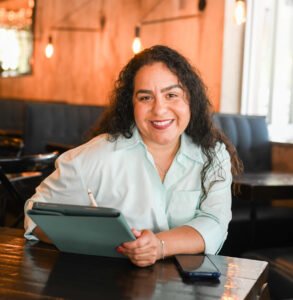
Norma Vargas | Broker Associate, eXp Realty | Top 1.5% in 2025
I specialize in homes that didn't sell the first time, relocation, and divorce sales across Pasco, Pinellas, Hillsborough, and Hernando counties.
Whether you're selling, relocating, or just weighing your options, I'll help you make sense of the next step.
Let's Talk →Find me also on: Zillow · Realtor.com · Homes.com